Sasquatch Resources is anchored by its district-scale flagship project, while continuing to evaluate historic waste-rock and hard-rock opportunities across British Columbia and beyond.
Our flagship near Duncan: a turn-of-the-century copper-gold camp that left more than 400,000 tonnes of mineralized waste rock at surface. This is where the model began.
Near Duncan on Vancouver Island, Mount Sicker hosted four producing mines, Lenora, Tyee, Richard III and Twin J, operating from 1895 to 1946, with peak production in the early years. Working to cut-off grades as high as 8% copper, they left more than 400,000 tonnes of mineralized, acid-generating waste rock on the mountain.
Our grid sampling, hand-auger work and a 528 kg ore-sorting test confirm that this waste contains high-grade materials. The plan: mobile crushing and sorting on site, high-grade material shipped off-site, and an estimated one-to-two-year recovery program per area once permitted, closing open shafts and adits as we go.
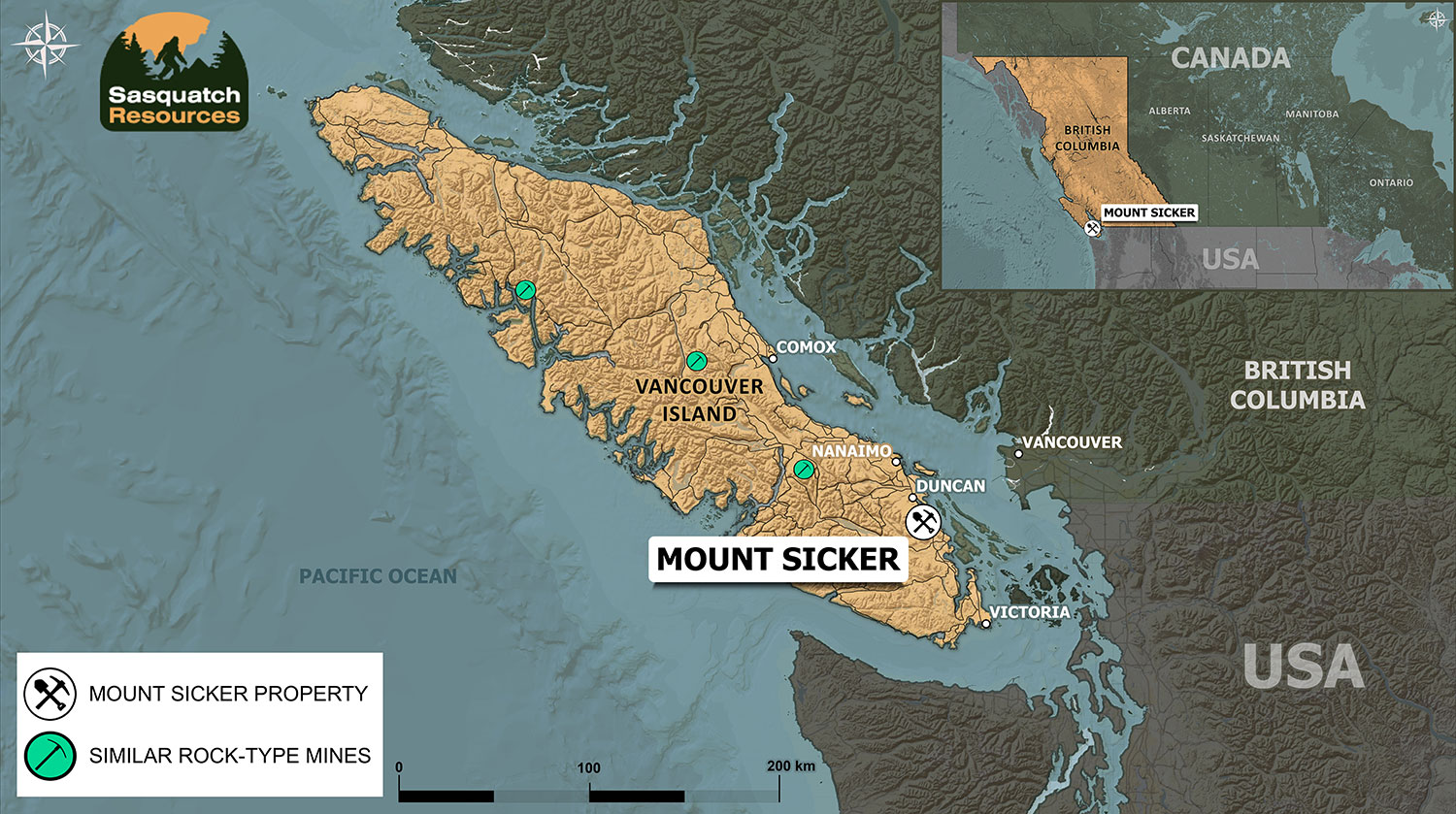
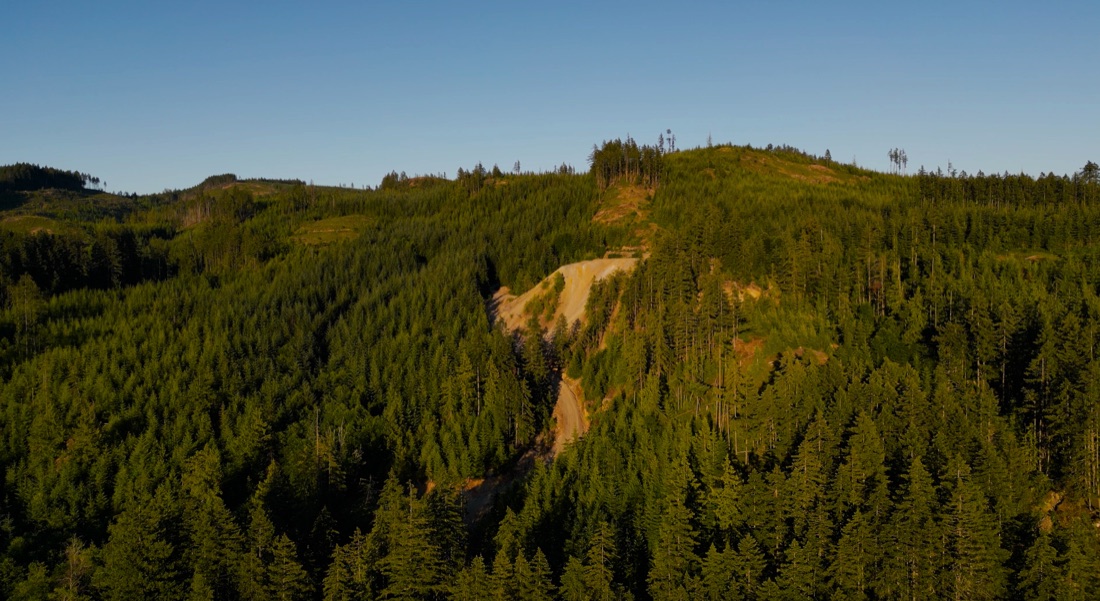
Four former producing mines, 1,800+ hectares, and more than 400,000 tonnes of mineralized waste rock, the property where our recover-and-remediate model was born.
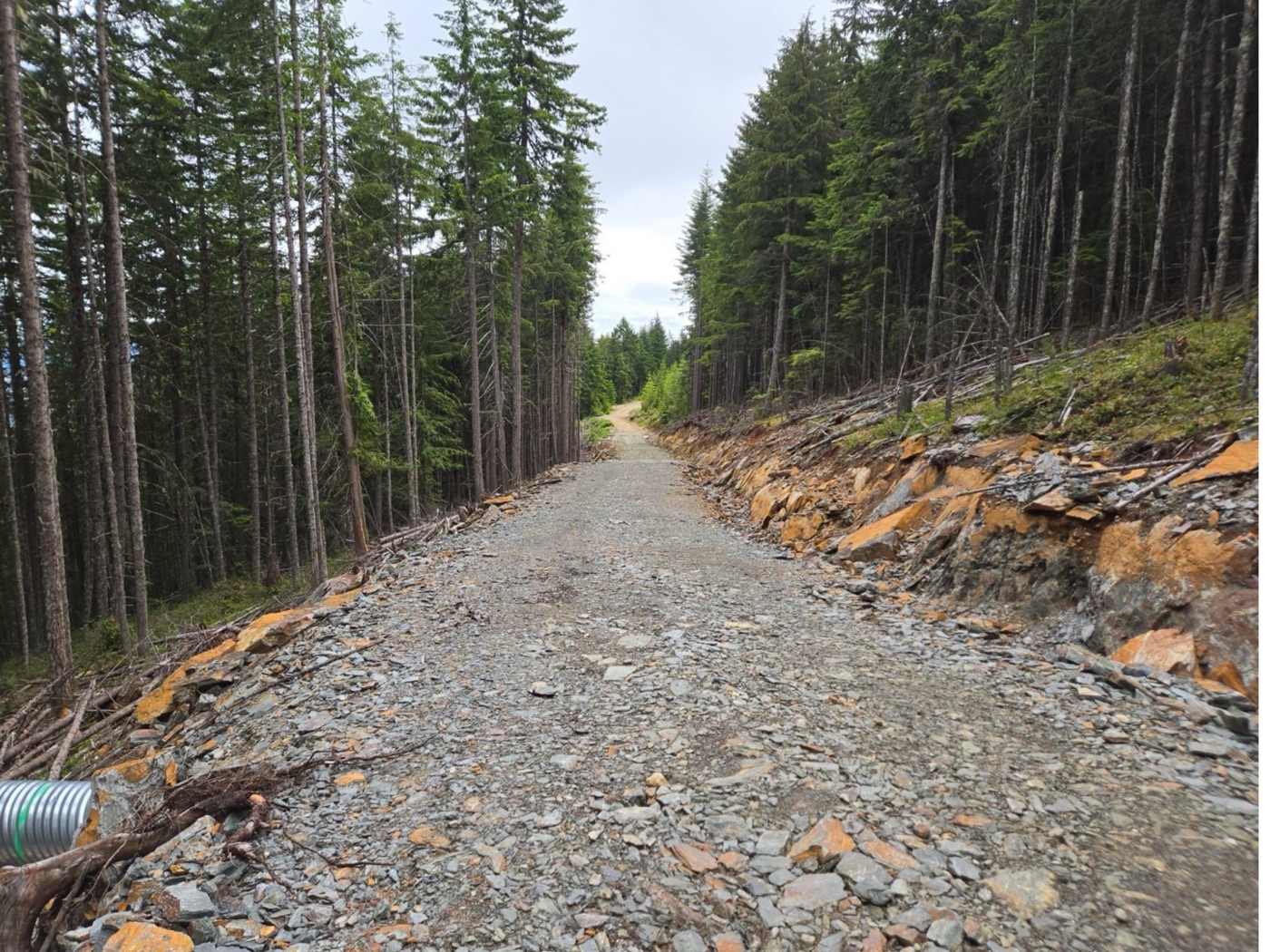
A VMS copper system exposed by fresh logging cuts, sitting on the mountain's largest geophysical anomaly.
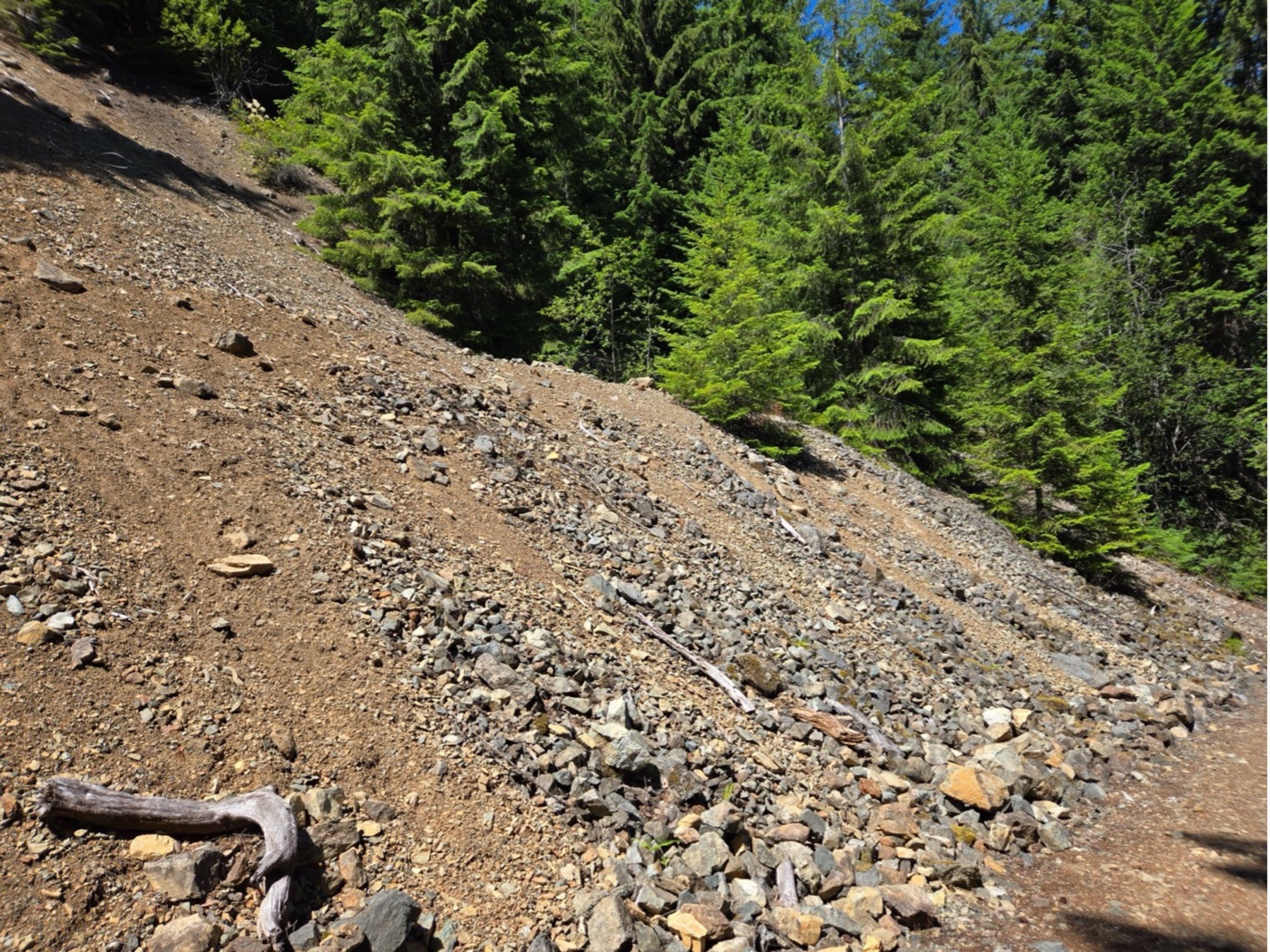
High-copper waste beside a recreation area, where recovery doubles as a public-land clean-up.
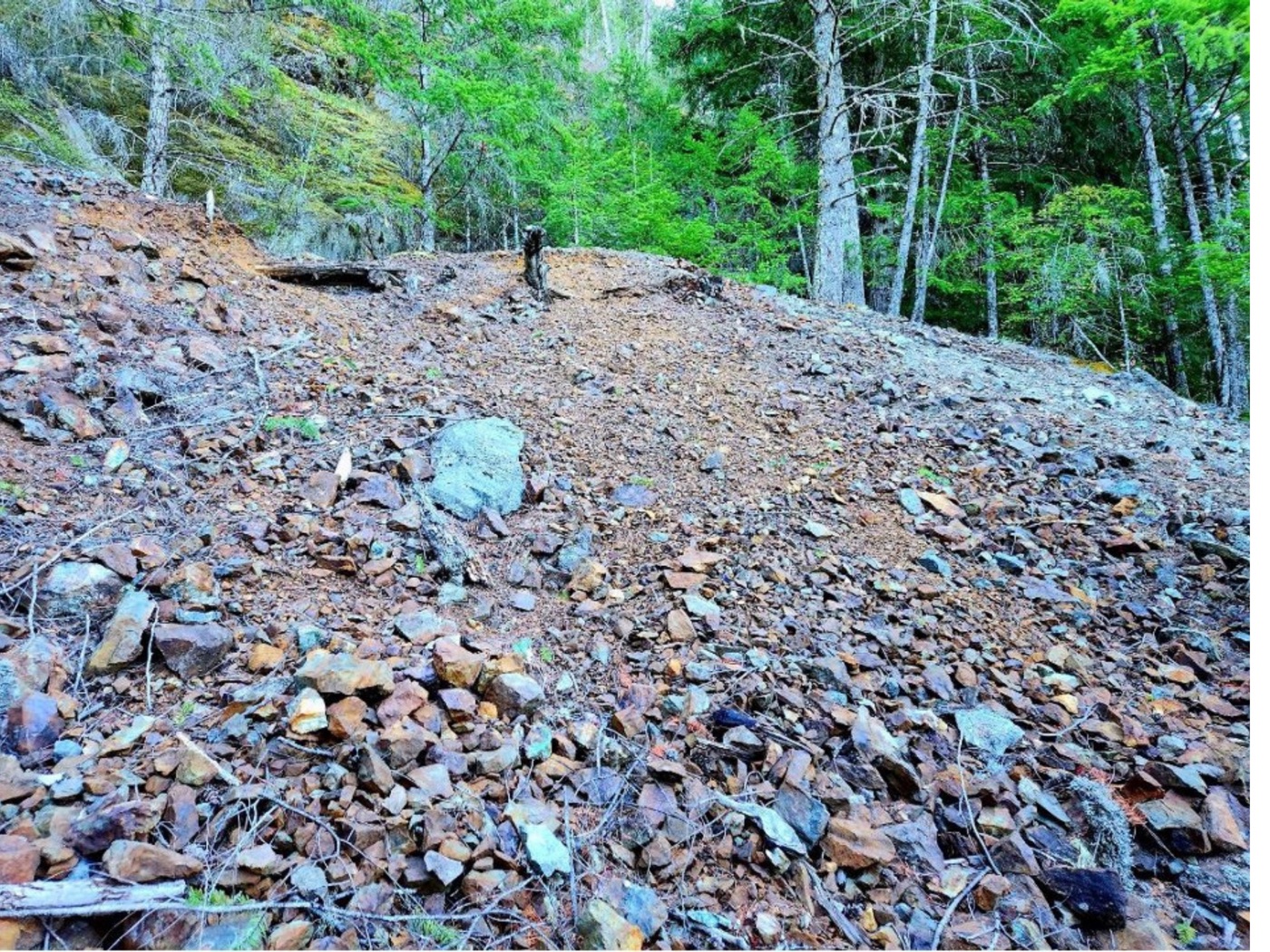
High-sulphide waste piles and visible copper in large surface outcrops, from mining circa 1915.
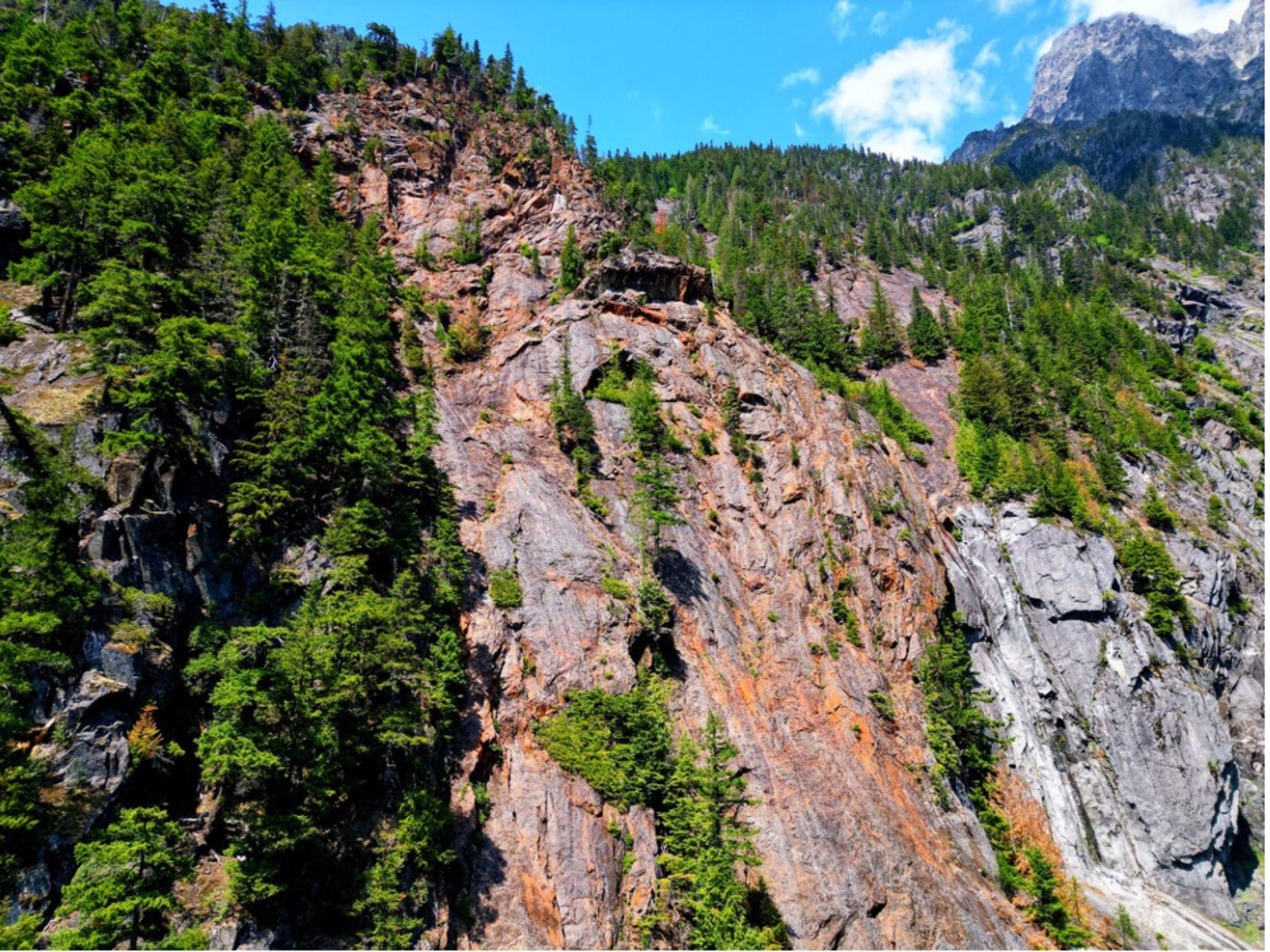
1,567 hectares of gold claims beside the historic Red Mountain Gold Mine, with samples up to 700 g/t.
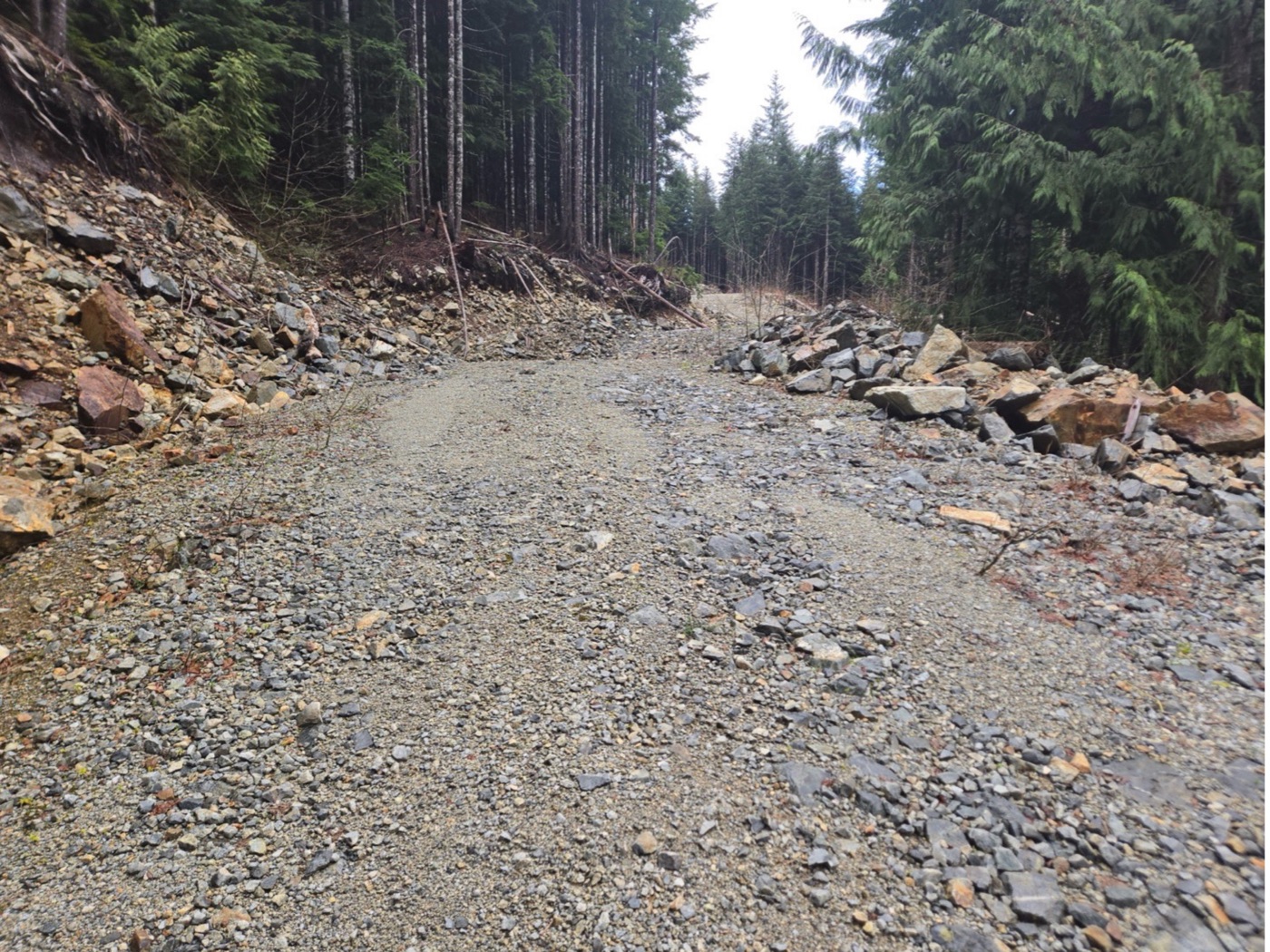
Newly acquired ground with four historic occurrences along a 3 km mineralized corridor.
Sampling results, technical reports and geophysical surveys from across the portfolio.